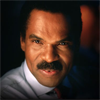
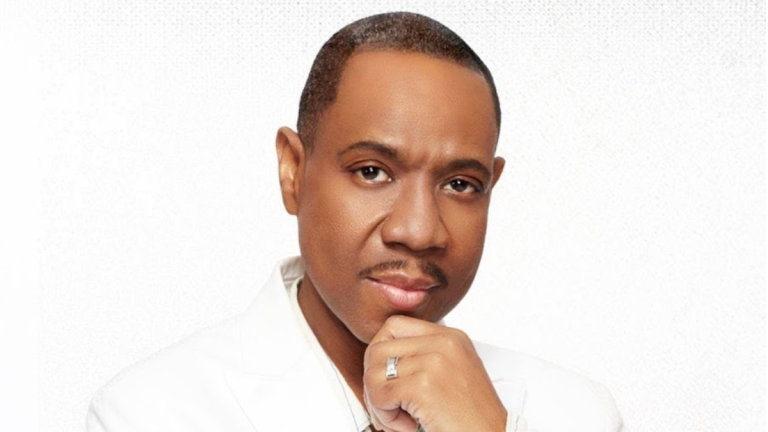
Freddie Jackson’s warm tenor was an instrument made for the so-called Quiet Storm era of R&B, when a lone satiny voice, a smoky saxophone and the shimmer of an electronic piano softly drifted over the airwaves of late-night radio in big-city markets.
“It was one of those godsend voices, one of those one-in-a-lifetime voices,” Paul Laurence, a longtime friend and collaborator who wrote “Rock Me Tonight (For Old Times Sake)” for Mr. Jackson and composed other songs with him, said in an interview.
“Rock Me Tonight,” Mr. Jackson’s debut solo album, arrived in 1985 and spent 14 weeks atop the Billboard R&B albums chart. Two singles from the album, the title track and “You Are My Lady,” topped the Billboard R&B singles chart, and two others, “He’ll Never Love You Like I Do” and “Love Is Just a Touch Away,” reached the Top 10. He received two Grammy nominations in 1986, for best new artist and best male R&B vocal performance.
That run of success established Mr. Jackson as an R&B superstar. His 1986 sophomore album, “Just Like the First Time,” spent 26 weeks at the top of the Billboard R&B albums chart and featured three Billboard chart-topping R&B singles: “Tasty Love,” “Have You Ever Loved Somebody” and “Jam Tonight.”
“With his inventive phrasing and flexible dynamics, he is able to transform formulaic pop-funk songs into engagingly open-ended personal statements,” Mr. Holden wrote, adding that Mr. Jackson “embellished love lyrics with extended melismas, vocal shivers and spontaneous hesitations that cut against the material’s formal rigidity and communicated a winning emotional immediacy.”
See full story...












































 alt="Advertisement" title="Advertisement">

 alt="Most Popular" title="Most Popular">
 alt="Lifetime Legends" title="Lifetime Legends">








 alt="Trending Now" title="Trending Now">



 alt="Recent Post" title="Recent Post">







 alt="Around The Web" title="Around The Web">




 alt="In Case You Missed It" title="In Case You Missed It">



 alt="Did You Know?" title="Did You Know?">